floprate
FAILED
4,985 faults · first at 0:08
- Shader coresClean
- Texture unitsClean
- Special maths units4,985 faults
- Tensor coresClean
- RasterizerClean
- Output unitsClean
- Video memoryClean
Error timeline
TFU
Fatal
 floprate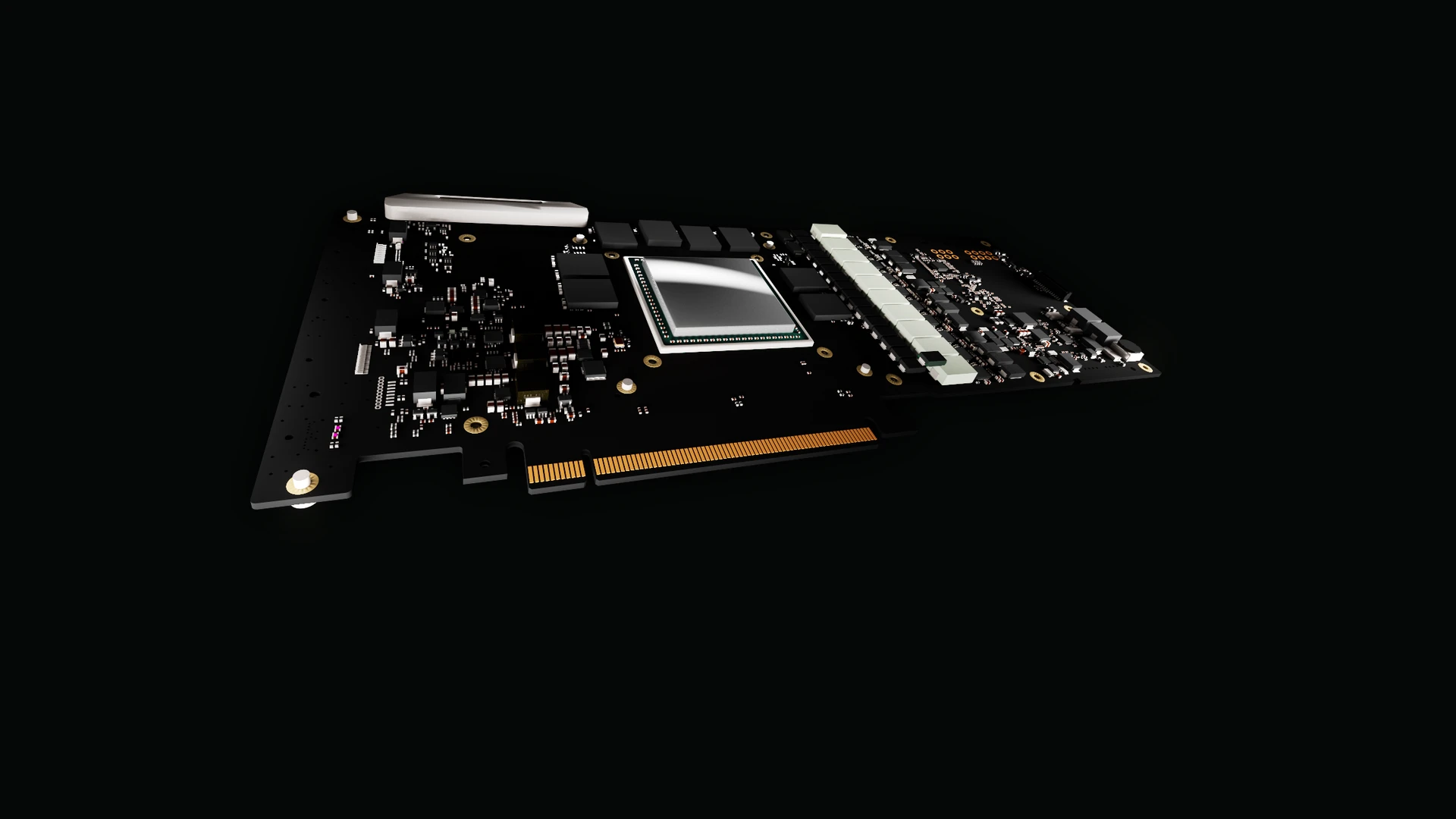
Give buyers evidence, not just your word. Test GPU performance and stability in one run, with results sealed by a TPM quote.
View BenchmarksA FLOP is a floating-point operation: one unit of the maths your GPU does every second. FLOPS (FLOPs per second) is how we talk about GPU speed: more FLOPS means more work done, faster.
Floprate measures your card's FLOPS while stress-testing its stability, so you can catch a “flop” (a failing or unstable GPU) before it costs you.
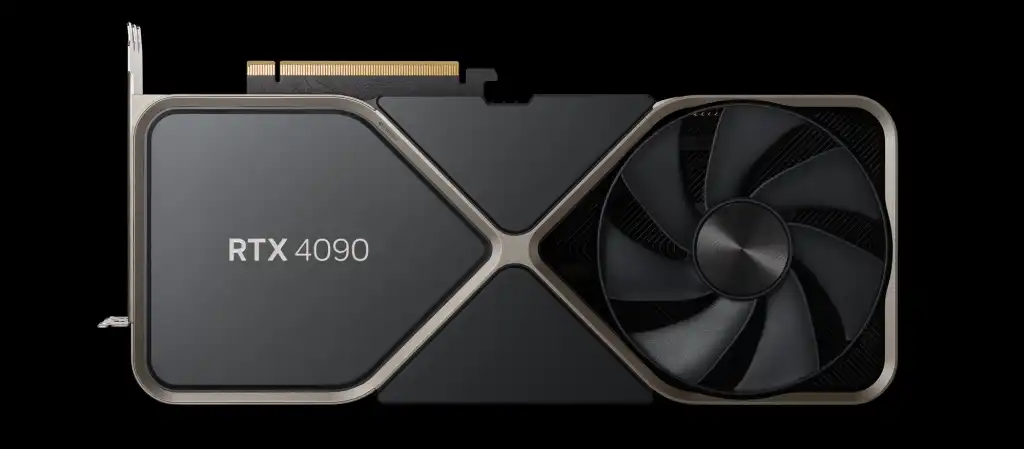
All tests were run on the same faulty NVIDIA GeForce RTX 2080 Ti.
FAILED
4,985 faults · first at 0:08
Error timeline
CUDA / shader cores, Tensor cores, TMUs, ROPs, VRAM, and more are probed under load, so you see the exact failing unit on a timeline instead of a single pass/fail. Tap a component in the demo to learn what it does.
Floprate breaks raw compute into distinct metrics: FP32, FP16, and FP64 vector throughput; Tensor core throughput (FP16, BF16, TF32, FP8, INT8) for AI workloads; memory bandwidth; and health telemetry like power draw and thermals. Hover or focus a metric pill to learn what it measures.
As users benchmark, Floprate collects telemetry across GPU models and calculates average scores for each model. Your result is then compared against that field average, and the best recorded scores for the same model, so you can see where your card stands, not just a number in isolation.
Training specific metrics and counters for AI workloads.
Inference performance and utilisation metrics.
High precision compute and HPC related metrics.
Memory bandwidth, power draw and thermal health.
Prove your GPU is stable with cryptographically signed results. Give buyers confidence and your card a stronger case for a higher price.
Stability
STABLE
No faults detected, clocks on spec, temperatures in range.
No errors recorded
Tested device
24 GB GDDR6X
Power & Temperature
Utilisation & Clocks
We are building towards releasing a marketplace where buyers and sellers trade GPUs backed by these verified stability and performance reports, not unverifiable screenshots.